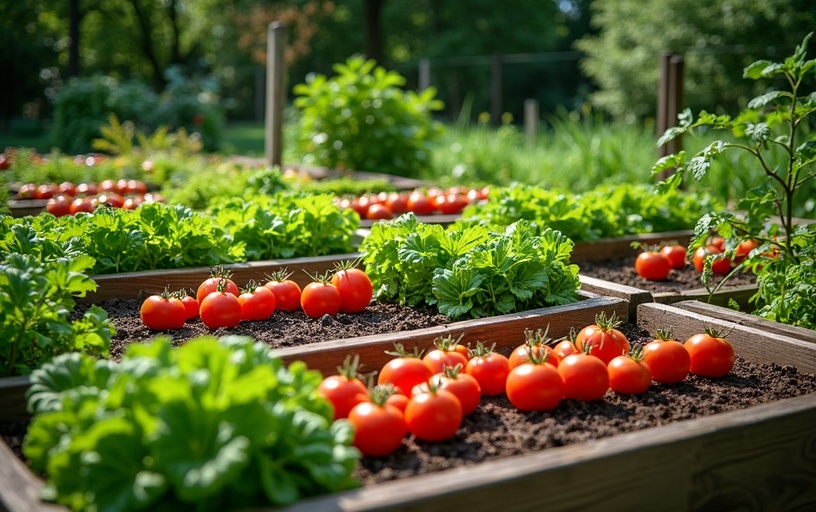
Complete Guide to Starting Your First Vegetable Garden
Sarah Mitchell
January 15, 2024 • 8 min read
Starting your first vegetable garden is an exciting journey that connects you with nature and provides fresh, organic produce right from your backyard. This comprehensive guide will walk you through every step of creating a successful vegetable garden.
Choosing the Right Location
The foundation of a successful vegetable garden starts with selecting the perfect spot. Your garden needs at least 6-8 hours of direct sunlight daily. Observe your yard throughout the day to identify the sunniest areas. Consider proximity to a water source, as you'll need regular access for irrigation. Ensure the location has good drainage to prevent waterlogging, which can damage plant roots.
Soil Preparation and Testing
Healthy soil is the cornerstone of a productive garden. Start by testing your soil's pH level and nutrient content. Most vegetables thrive in slightly acidic to neutral soil with a pH between 6.0 and 7.0. Amend your soil with organic matter such as compost, aged manure, or leaf mold to improve structure and fertility. Work the amendments into the top 12 inches of soil for optimal root development.
Selecting Your Vegetables
For beginners, start with easy-to-grow vegetables that are forgiving and productive. Tomatoes, lettuce, radishes, zucchini, and green beans are excellent choices. Consider your climate zone and growing season when selecting varieties. Choose disease-resistant cultivars to minimize problems. Plan your garden layout based on plant height, spacing requirements, and companion planting principles.
Planting Techniques
Timing is crucial for vegetable gardening success. Learn your area's last frost date and plan accordingly. Some crops like lettuce and peas prefer cool weather, while tomatoes and peppers need warm soil. Follow seed packet instructions for planting depth and spacing. Water newly planted seeds and transplants gently but thoroughly to establish good root contact with soil.
Watering and Maintenance
Consistent watering is essential, especially during establishment and fruiting periods. Most vegetables need about 1 inch of water per week. Water deeply and less frequently to encourage deep root growth. Mulch around plants to retain moisture, suppress weeds, and regulate soil temperature. Monitor for pests and diseases regularly, addressing issues promptly with organic methods when possible.
Harvesting Your Bounty
The reward for your hard work comes at harvest time. Pick vegetables at their peak ripeness for the best flavor and nutrition. Regular harvesting encourages continued production in many crops. Learn the signs of readiness for each vegetable type. Handle produce gently to avoid bruising and store properly to extend freshness.